IIT Bombay · Centre for Climate Studies
The Indian Summer Monsoon
Explore Indian Summer Monsoon rainfall with observational datasets, diagnostics, and climate model simulations. The analysis highlights spatial patterns, temporal trends, rainfall variability, and extreme precipitation during the June–September monsoon season. It also brings together CMIP6 climate model simulations to examine the influence of forcing agents such as greenhouse gases and aerosols, along with physics based diagnostics to understand the processes driving monsoon changes.
JJAS Monsoon Season
Statistics for 1950–2020
Mean Indian monsoon rainfall
show decreasing trends in mean rainfall
states/UTs show increasing extreme rainfall occurrence
CMIP6 Models show increasing mean trend
Rainfall Analysis
Regional
Statistics
Rainfall during the Indian Summer Monsoon varies strongly across the country. Strong moisture transfer from the Arabian Sea and Bay of Bengal, results in extremely high rainfall in the Western Ghats and the northeastern Himalayas. On the contrary, portions of southeast and northwest India stay rather dry. Regional statistics of Indian Summer Monsoon rainfall, including average rainfall, extremes events, and long-term seasonal changes, provides us insights into spatial variability and evolution in the monsoon system
Open Rainfall Data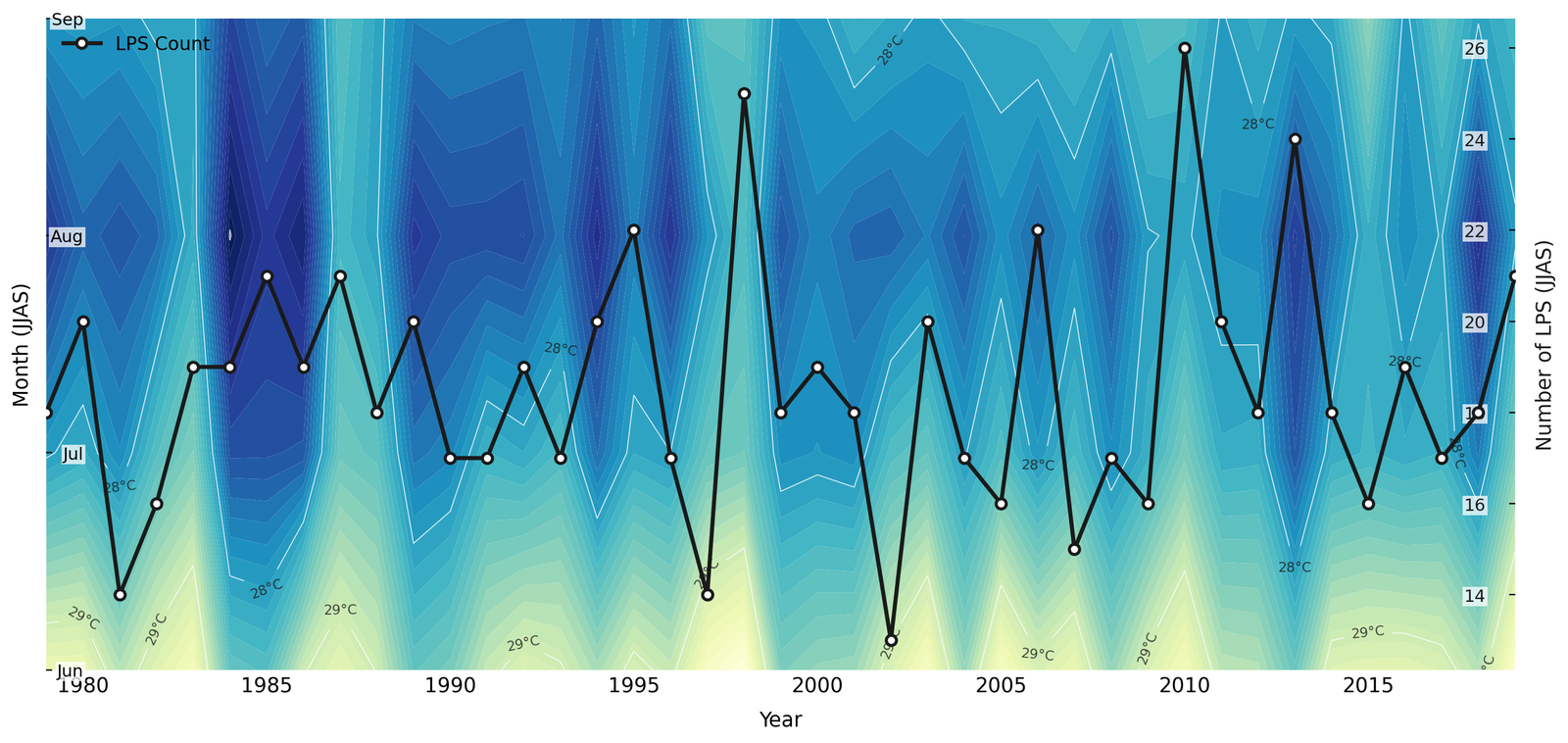
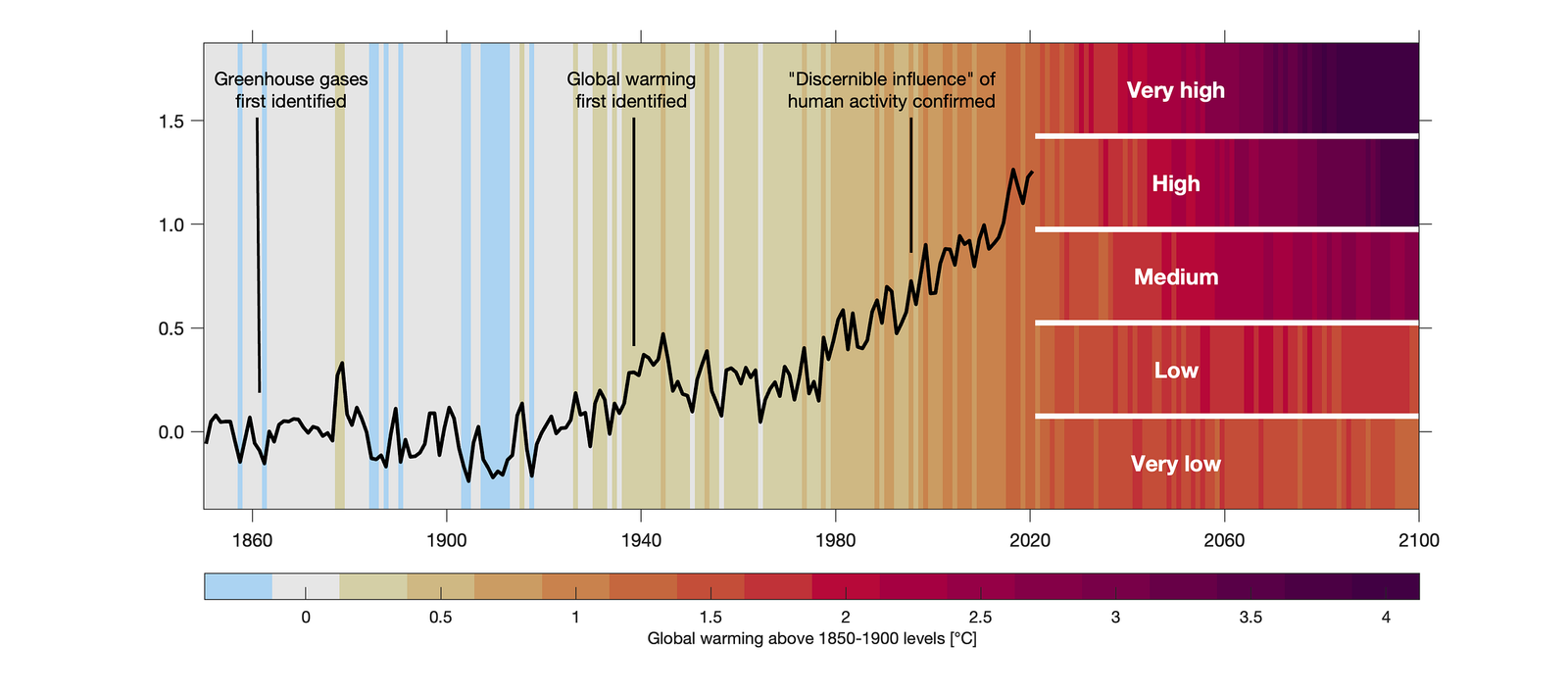
Historical and Future Projections
Climate
Models
Climate projections from the Coupled Model Intercomparison Project Phase 6 (CMIP6) are computer simulations that represent interactions between the atmosphere, oceans, and land to reproduce past and future climate conditions. These coupled climate models can be used to examine trends in precipitation under different climate forcing factors such as greenhouse gases and aerosols that influence climate change. Comparing model simulations with observed rainfall trends also help us assess how well different models reproduce monsoon variability and identify which models are more reliable for specific aspects of rainfall analysis.
View CMIP6 AnalysisThe Indian Monsoon, GDP and agriculture
"Monsoon variability has a large impact on agricultural production and hence the economy in India"
Sulochana Gadgil, Siddhartha Gadgil
Atmospheric Physics
Vertical Motion
and Moisture
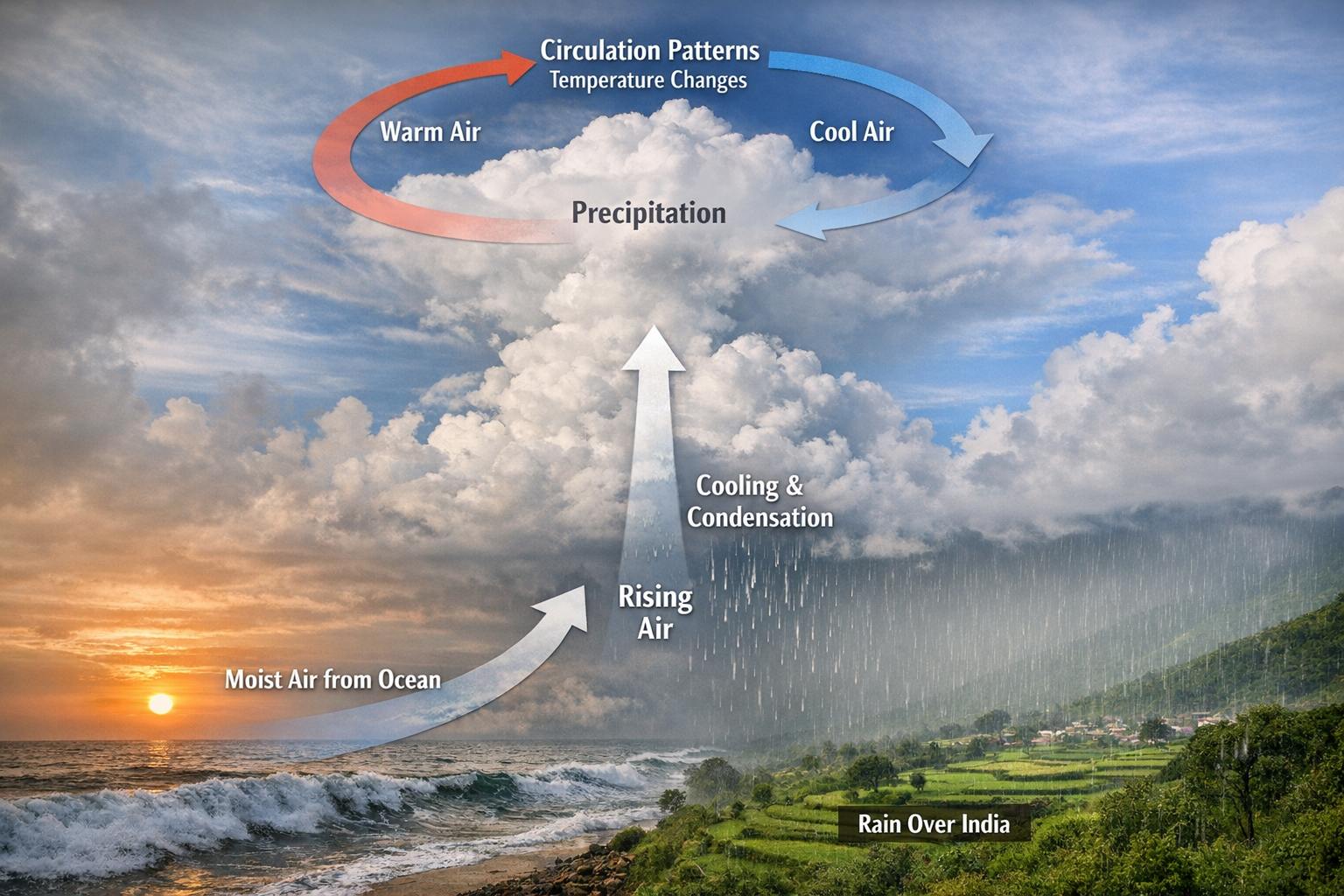
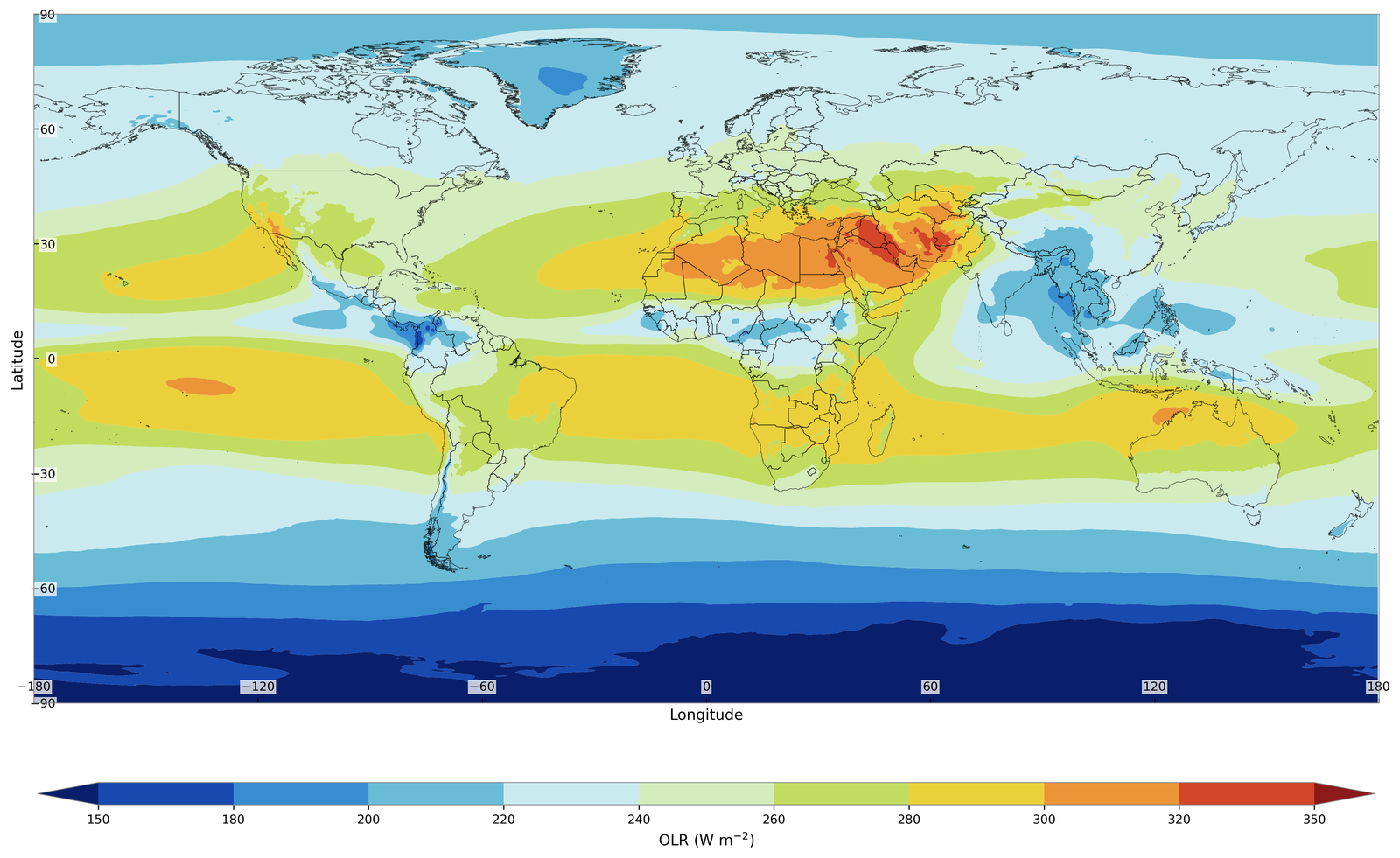
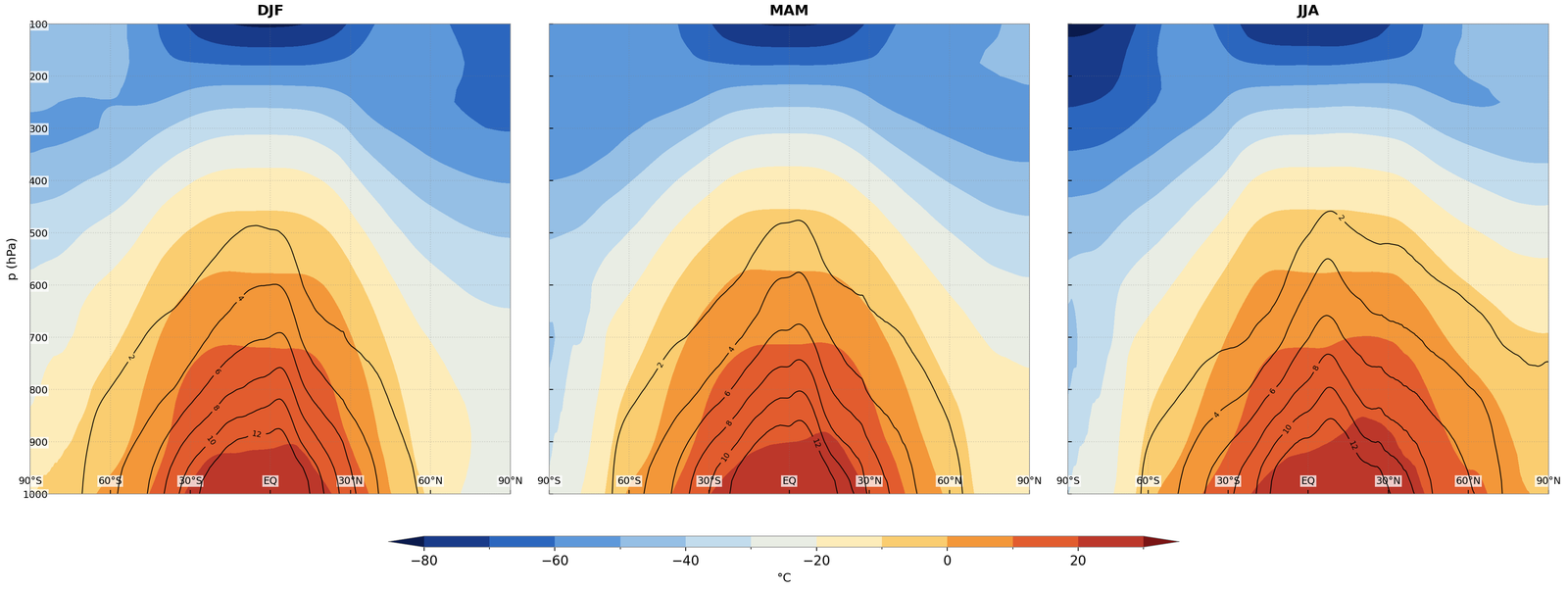
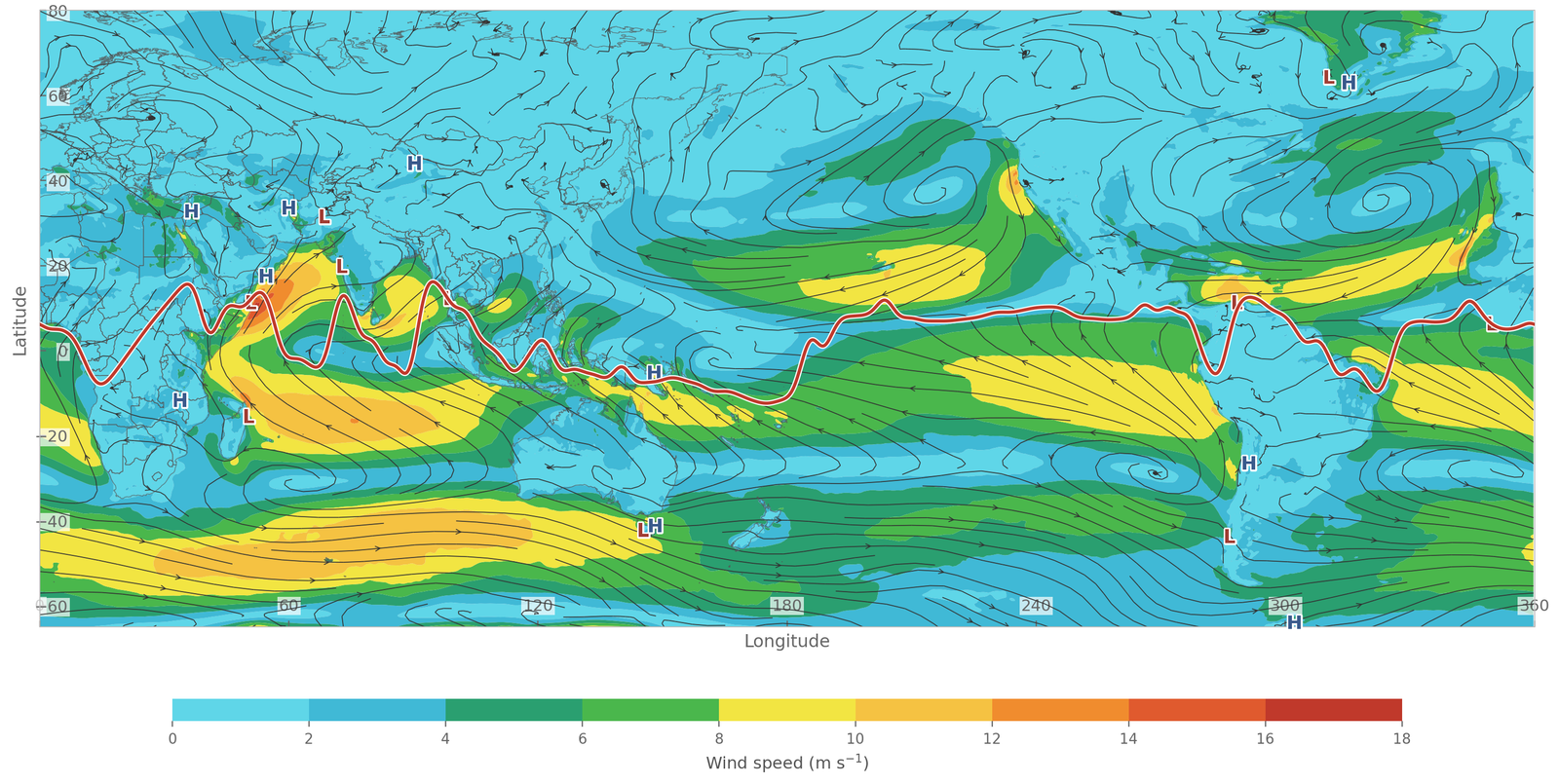
Understanding the relationship between the vertical motion of air and moisture is key to explaining rainfall. When air moves upward, it cools and condenses, leading to precipitation, depending on how moisture changes with height. The upward motion is influenced by large-scale atmospheric conditions such as temperature changes and circulation patterns. This helps explain how moisture from the surrounding oceans is lifted over the Indian subcontinent, leading to rainfall.
Explore Physics